Sewerage & Storm Water Contractor UAE
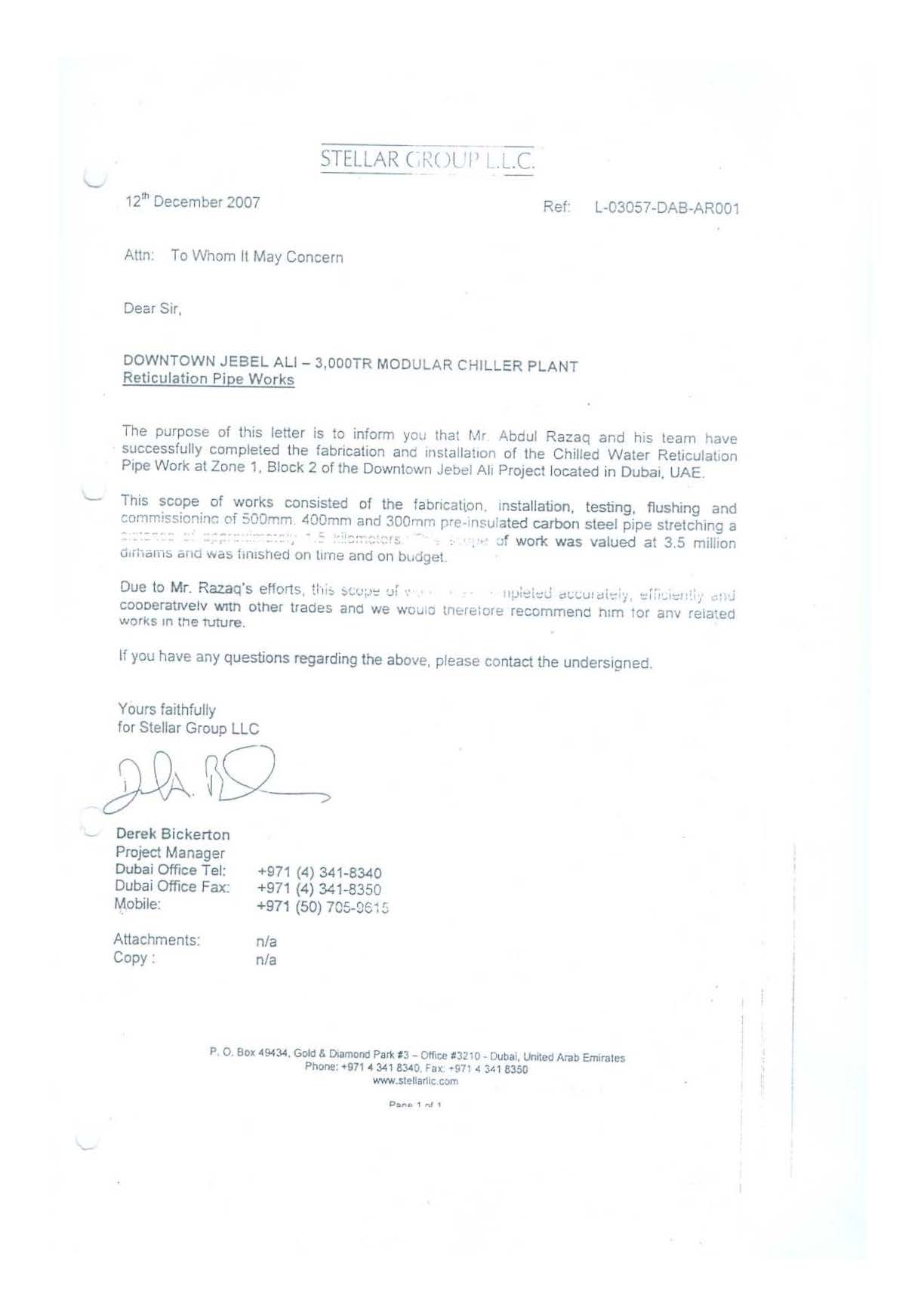
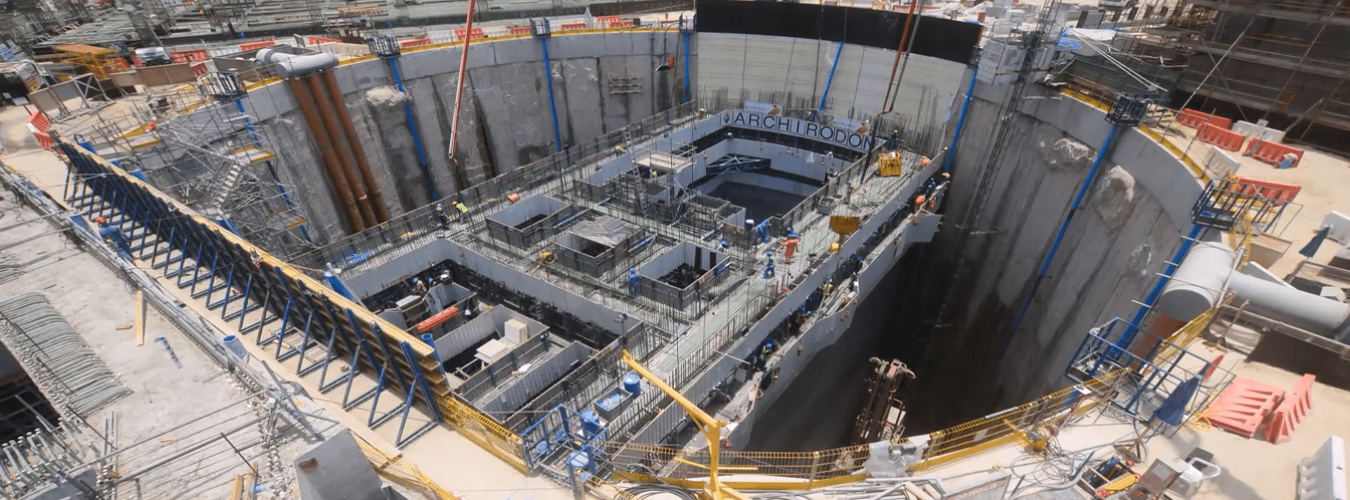
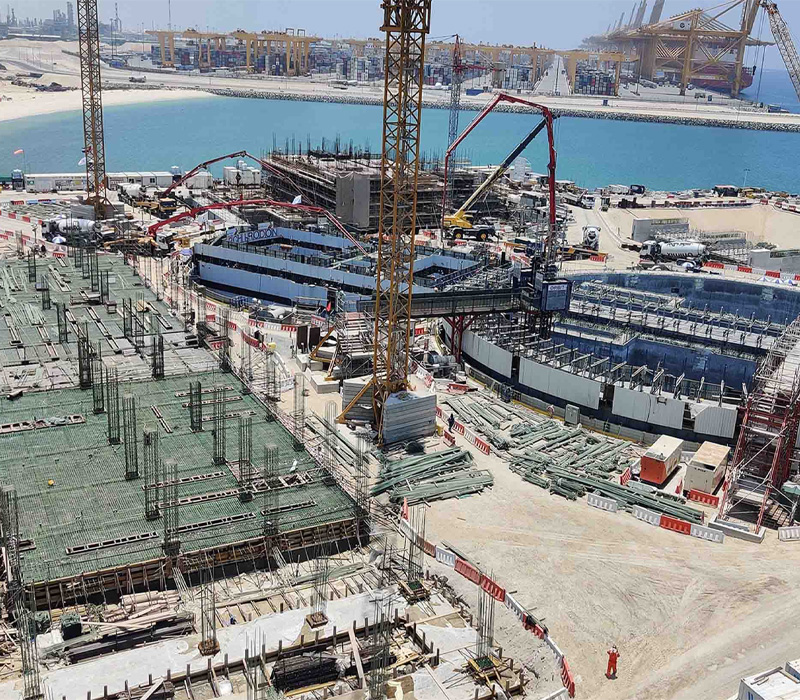
Reliable sewerage and stormwater infrastructure are fundamental to urban development across the UAE. These networks protect public health, prevent flooding, and ensure sustainable city growth. Proper engineering and installation guarantee the safe transport of wastewater and effective management of stormwater runoff. Since 2007, Abdul Razzaq Technical Services LLC has operated as a leading sewerage & storm water contractor UAE, delivering complex infrastructure and utility projects. The team specializes in the installation of sewer pipelines, stormwater drainage networks, manholes, and all associated civil works for government entities, commercial zones, and large-scale developments.
Why Abdul Razzaq Technical Services LLC for Utility Infrastructure
● UAE Since 2007: Over 18 years of continuous operation. Deep understanding of local authority requirements and utility corridor coordination.
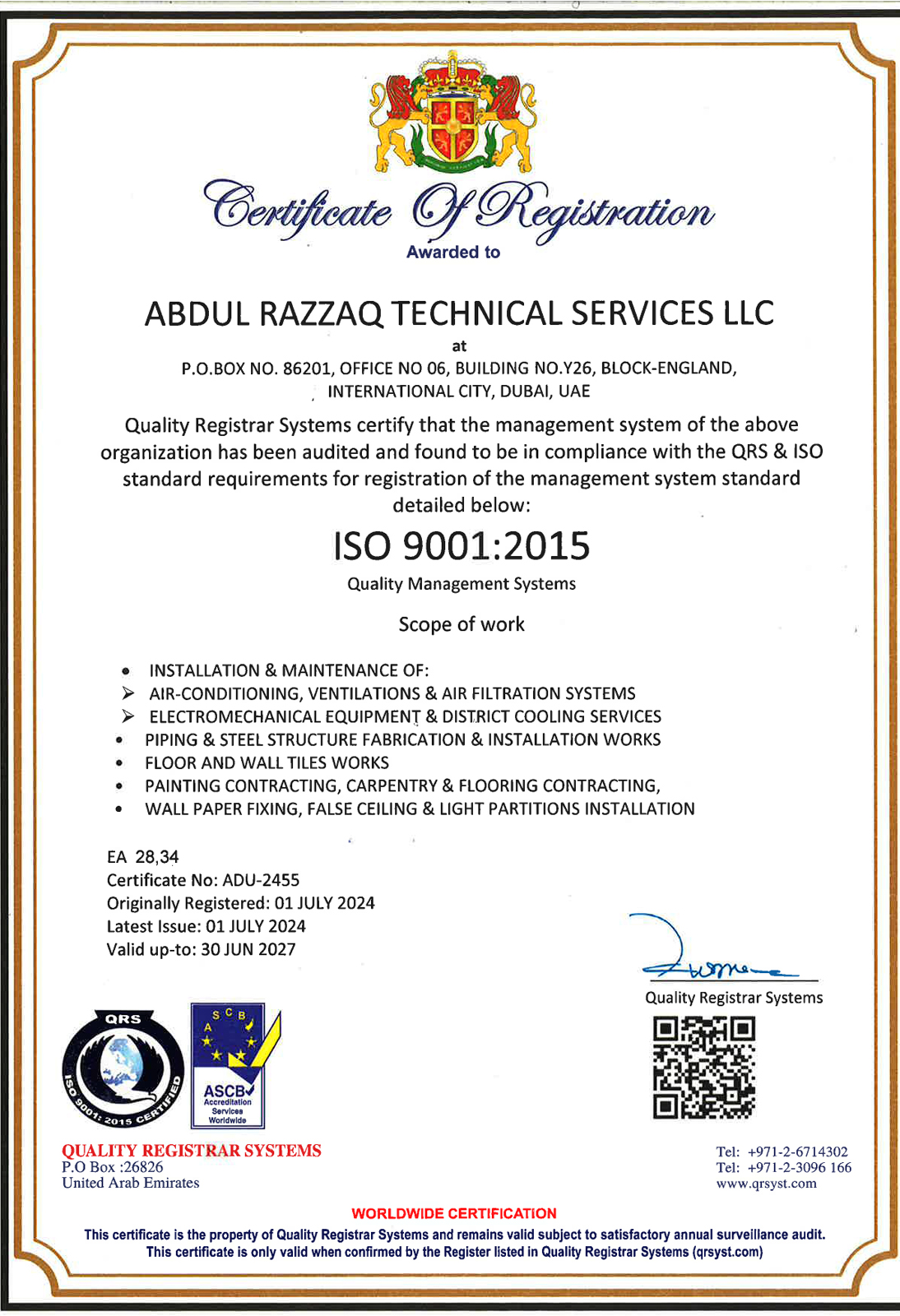
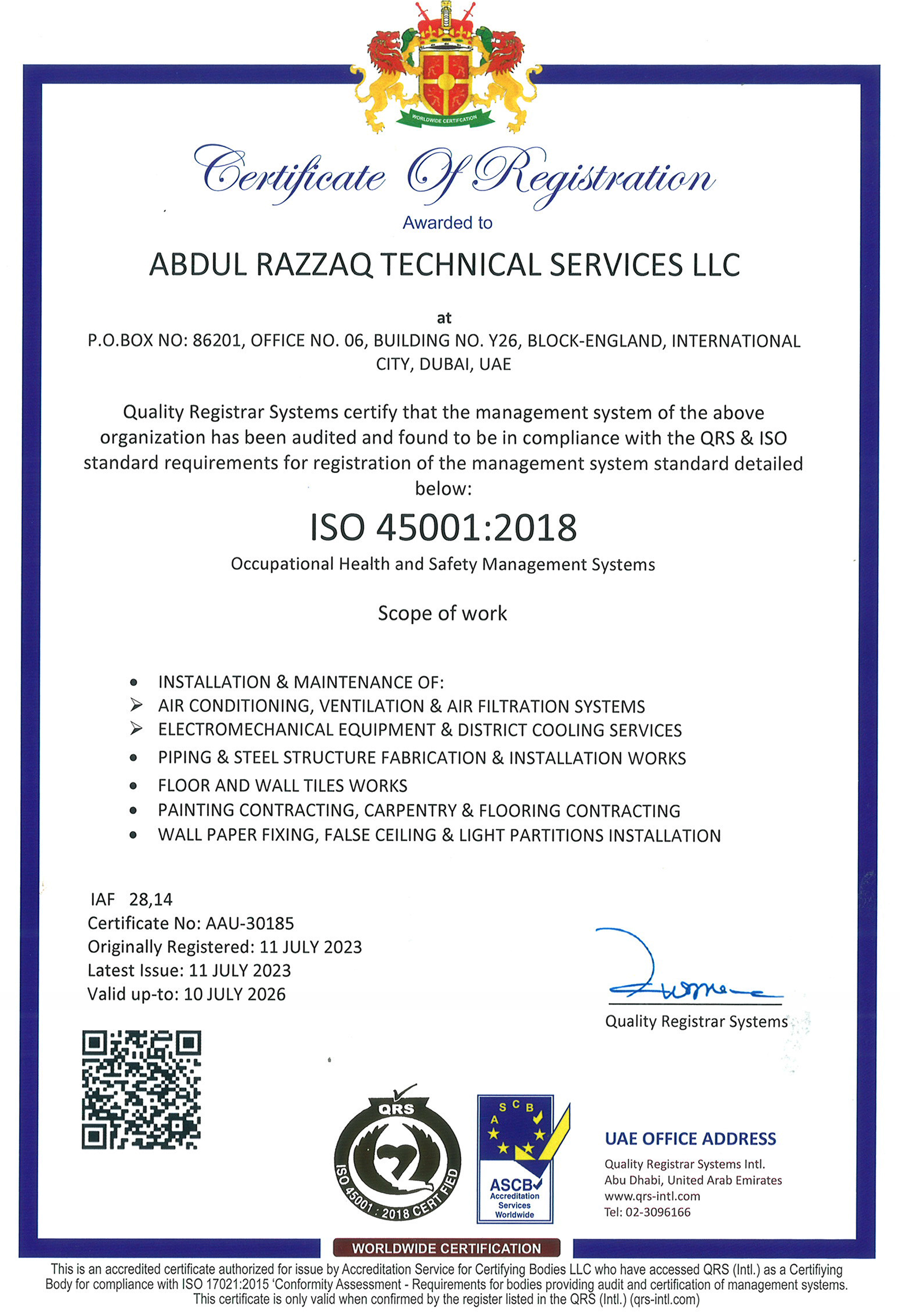
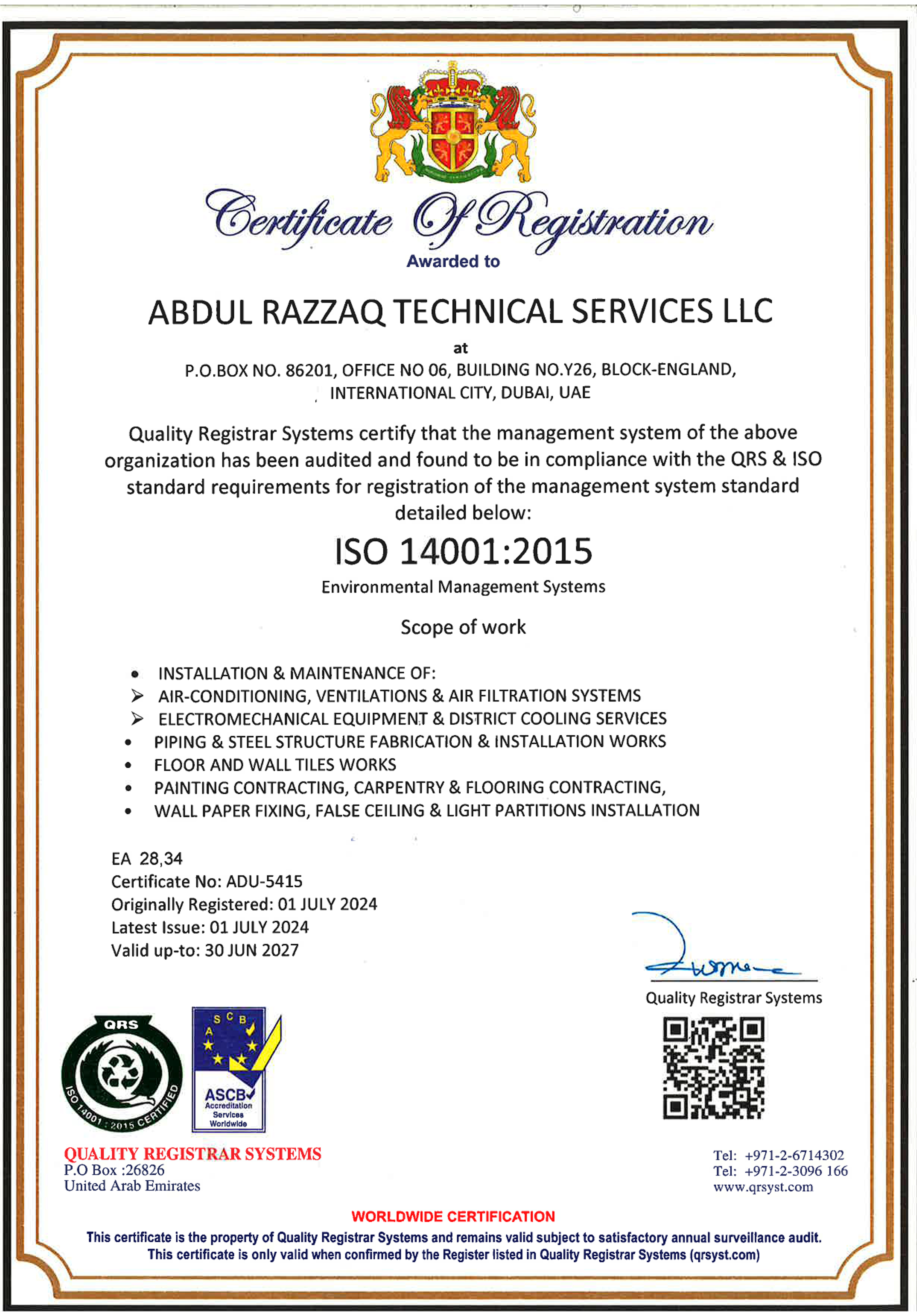
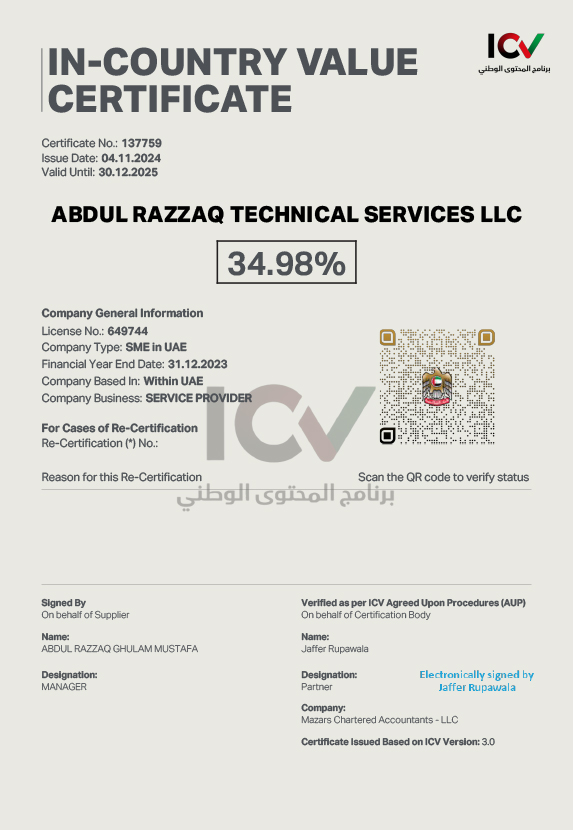
● ISO & ICV Certified: ISO 9001:2015, ISO 45001:2018, and ICV certified. International standards govern every installation phase.
● Authority Approvals Management: Full management of NOC approvals from Dubai Municipality, ADSSC, RTA, DEWA, and other relevant authorities.
● Utility Corridor Coordination: Proven capability to install sewer and stormwater lines within congested utility corridors, ensuring separation and protection from power, water, and telecom services.
● Comprehensive Testing: Mandrel testing for gravity sewers, hydrostatic pressure testing for rising mains, and CCTV inspection for final verification.
● Trench Safety Systems: Engineered shoring systems, including trench boxes and hydraulic supports for deep or unstable excavations.
● Dewatering Capability: Wellpoints, deep wells, and sump pumping techniques to maintain dry, stable trench conditions.
Trench Excavation, Support, and Dewatering Methods
Safe and effective trenching is the foundation of any successful pipeline installation. The methodology prioritizes site safety, ground stability, and efficient water management to ensure a smooth construction process.
● Trench Excavation: Precise excavation is performed to required depths and grades, utilizing appropriate machinery for various ground conditions, from soft sand to rocky terrain.
● Trench Support Systems: To protect the workforce and prevent trench collapse, engineered shoring systems, including trench boxes and hydraulic supports, are implemented, especially in deep or unstable excavations.
● Dewatering Process: Groundwater ingress is addressed through dewatering techniques such as wellpoints, deep wells, or sump pumping to lower the water table and maintain a dry, stable trench bottom for proper pipe bedding and installation.
● Trench Compaction: After pipe laying, backfilling is completed in controlled layers, compacting each lift to specified densities to prevent future ground settlement and ensure the integrity of the overlying surface, whether road or landscape.
Sewerage Pipeline Systems for Wastewater Management
Durable and efficient sewerage systems transport wastewater from residential, commercial, and industrial sites. Focus on material selection and precise installation ensures long-term reliability and compliance with all sanitation and environmental standards.
● Gravity Sewer Networks: Pipelines are installed using precise grading to maintain optimal flow velocities. Specialization includes GRP pipe laying and uPVC installation for these networks.
● HDPE Butt Fusion & Pipe Laying: For force mains and rising mains, HDPE butt fusion welding creates leak-proof, monolithic pipelines that withstand high pressures.
● Pumping Stations & Rising Mains: Pumping stations are designed and constructed to lift wastewater from low-lying areas and transfer it through pressurized rising mains to treatment facilities.
● Manhole Construction: Durable, watertight manholes are built at key intervals for system access, maintenance, and inspection.
● Utility Corridor Management: Installation of sewer lines within congested utility corridors is coordinated, ensuring separation and protection from other services like power, water, and telecom.
Storm Water Drainage Systems for Flood Prevention
Effective stormwater drainage is crucial in the UAE to manage sudden, heavy rainfall and prevent flooding of roads, properties, and infrastructure. Systems are designed to capture surface water and convey it rapidly to safe discharge points.
Stormwater drainage services include:
● Installation of stormwater pipeline networks
● Construction of catch basins, gully traps, and roadside channels
● Building of culverts and drainage structures
● Installation of manholes and inspection chambers
● Utility crossing methods for roads and highways, including jacking and boring
Full reinstatement of road structure, including base courses and asphalting, to original or better condition
Pipeline Testing, Inspection, and Quality Assurance
Every meter of pipeline installed undergoes rigorous testing and inspection to verify its integrity, structural soundness, and hydraulic performance before handover.
● Pressure Testing: Hydrostatic testing of pressure pipelines (rising mains) verifies joint and pipe strength.
● Mandrel Testing: For gravity sewers, mandrel testing ensures that pipes are not deflected or deformed beyond allowable limits during installation.
● CCTV Inspection: Comprehensive closed-circuit television surveys of completed pipelines check for issues with alignment, joint gaps, or internal damage, providing video evidence for the client and authorities.
Utility Coordination and NOC Approvals
Navigating the regulatory landscape is a critical part of any infrastructure project in the UAE. The team manages all aspects of utility coordination and authority liaison to ensure full compliance.
Approval process management includes:
● Securing No Objection Certificates (NOCs) from all relevant authorities: Dubai Municipality, ADSSC, DEWA, RTA, and other municipal bodies
● Coordinating designs to comply with authority standards for depth, cover, and pipe bedding
● Arranging authority inspections at key stages: trench preparation, pipe laying, backfilling, and final connection
● Submitting all necessary documentation, including as-built drawings and test reports (CCTV, mandrel) for final system approval and connection
Utility Infrastructure Projects Delivered Across the UAE
Municipal Sewerage Network, Dubai
Installation of 8 km of gravity sewer pipelines and 120 manholes for a new residential development. Scope included trench excavation, pipe laying (GRP and uPVC), manhole construction, and NOC coordination with Dubai Municipality and DEWA. CCTV and mandrel testing confirmed all lines within specification.
Stormwater Drainage System, Abu Dhabi
Complete stormwater drainage network for a major highway expansion project. The scope included 5 km of drainage pipelines, catch basins, culverts, and road crossings using jacking methods. Coordination with ADSSC and RTA ensured all NOCs were secured and road reinstatement completed to specification.
Sewerage Rising Main, Sharjah
Installation of 3 km of HDPE rising main with butt fusion welding for a new pumping station connection. The scope included pressure testing, tie-in works, and commissioning. All welds passed inspection with zero defects.
FAQs
What approvals are required for sewerage and stormwater installation in Dubai?
NOCs are required from Dubai Municipality, DEWA, and RTA for road crossings. ADSSC approvals apply to connections to the main sewer network. The team manages all submissions and inspections.
What is HDPE butt fusion welding?
HDPE butt fusion is a method of joining high-density polyethylene pipes by heating and pressing the ends together to form a single, continuous, and leak-proof joint. It is essential for pressure pipelines like rising mains.
Why is trench support important in sewerage projects?
Trench support systems like shoring boxes prevent trench collapses during pipe installation, especially in deep excavations or unstable ground. They are essential for worker safety and maintaining proper pipe bedding conditions.
What is a CCTV drainage survey?
A CCTV survey involves sending a camera through the completed pipeline to inspect its internal condition, check for defects, and verify correct grade and alignment. Video evidence is provided for client and authority approval.
What is the difference between ga ravity sewer and a rising main?
Gravity sewer relies on slope to convey wastewater by gravity. Rising main (force main) uses pumps to push wastewater through pressurized pipelines, typically HDPE, from low-lying areas to treatment facilities.
What is the cost range for sewerage and stormwater pipeline installation?
Costs vary based on pipe diameter, depth, ground conditions, and utility corridor complexity. Typical ranges are AED 1,500-4,000 per linear meter for complete installation, including trenching, pipe, manholes, and testing.
How do you manage groundwater during excavation?
Dewatering techniques, including wellpoints, deep wells, or sump pumping, are deployed to lower the groundwater table, allowing excavation and pipe installation in dry, stable conditions.
Contact Our Infrastructure Specialists
Abdul Razzaq Technical Services LLC (ARTS LLC) brings certified expertise and a proven track record to every infrastructure project as a premier sewerage & storm water contractor UAE. Our ISO-certified processes and deep experience with local authorities ensure your project is delivered compliantly, on time, and to the highest standards. Contact our engineering team to discuss your sewerage and stormwater infrastructure requirements.